Orem, Utah

We conduct high quality psychiatric clinical trials with a specialty in psychedelic medicines.

Questions? Call or text 801-871-5516

Current Studies

4 studies now enrolling in Orem, Utah

See all studies

Depression

Definium Therapeutics

Ascend looks at whether a single dose of DT120 (formerly MM120, a form of LSD) reduces symptoms of depression compared with placebo. Participants may be offered additional doses later in the study.

PTSD

Transcend

For adults living with Post Traumatic Stress Disorder (PTSD)

The purpose of this study is to assess the efficacy, safety, and tolerability of TSND-201 for the treatment of PTSD symptoms compared to placebo.

Anxiety

Reunion

The purpose of this study is to determine if treatment with a single dose of RE104 reduces anxiety symptoms in participants with Generalized Anxiety Disorder (GAD) as compared to placebo.

Not sure where to start? Check in on your mental health

These are the same validated questionnaires clinicians and researchers use every day. Answer honestly, see your results explained in plain language, and share them with anyone you choose.

Take a free self-assessment
  • Nothing you enter is stored or sent to us
  • Results explained, with clear next steps
  • Every questionnaire and result is a shareable link

Current Studies

Not sure which study fits? A short self-assessment can help you narrow it down.

Check Yourself

Studies now enrolling

PTSD · Transcend

For adults living with Post Traumatic Stress Disorder (PTSD)

The purpose of this study is to assess the efficacy, safety, and tolerability of TSND-201 for the treatment of PTSD symptoms compared to placebo.

This study is sponsored by Transcend Therapeutics, Inc.

Anxiety · Reunion

The purpose of this study is to determine if treatment with a single dose of RE104 reduces anxiety symptoms in participants with Generalized Anxiety Disorder (GAD) as compared to placebo.

This study is sponsored by Reunion.

Bipolar · LB Pharmaceuticals

For adults with a diagnosis of Bipolar I Disorder currently experiencing a Major Depressive Episode (MDE).

The goal of this study is to evaluate the efficacy, safety, and tolerability of LB-102, compared to placebo, in treating depressive symptoms associated with Bipolar I Disorder.

This study is sponsored by LB Pharmaceuticals.

New to clinical trials? Start with our beginner's guide

Frequently Asked Questions

Still have a question? Our team is happy to walk you through anything, including whether a study might be a fit.

Call 801-871-5516

Send us a message

Questions and answers

The strength of our science lies in our people

Inner Space Research co-founders Dr. Reid Robison and Dr. Steve Thayer

About Us

Inner Space Research is a psychiatry-focused clinical research center in Orem, Utah, led by experienced clinicians and investigators dedicated to advancing innovative mental health treatments.

With decades of combined experience and leadership across hundreds of clinical trials, including research on ketamine and emerging psychedelic-assisted therapies, our team works at the intersection of rigorous science and compassionate care. Our purpose is to expand safe, evidence-based treatment options and contribute to research that is shaping the future of mental health.

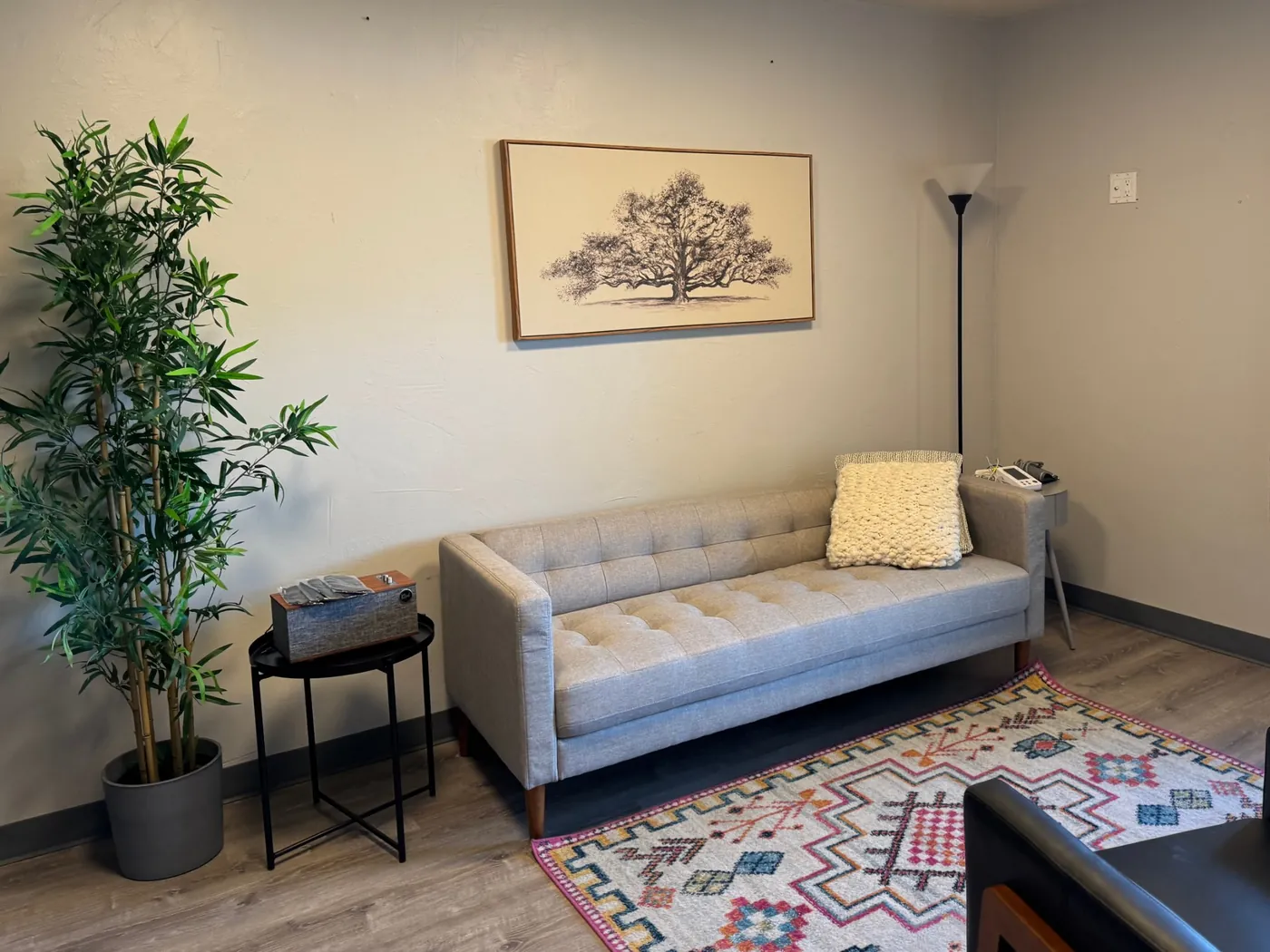
A room at the Inner Space Research office with a sofa, a tree print, a bamboo plant, and a colorful rug The Inner Space Research sign on the office in Orem
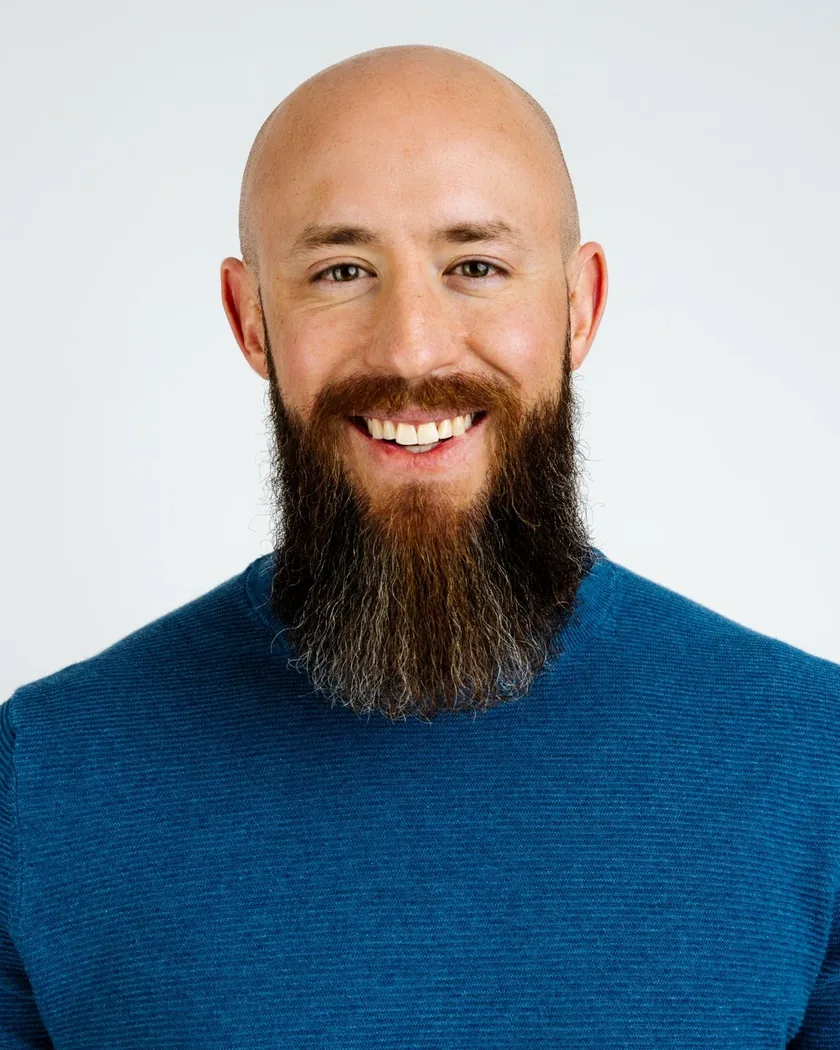
Dr. Steve Thayer, CEO. A smiling man with a full beard wearing a blue sweater, against a plain light background.

Steve Thayer, PhD

CEO and Co-founder

Dr. Reid Robison, Chief Medical Officer. A middle-aged man with gray hair and beard in a light blue button-up shirt, against a plain white background.

Reid Robison, MD

Chief Medical Officer and Co-founder

Work with us

We're hiring for research and clinical roles in Orem.

See open roles

Get in Touch

We’re here to help and happy to answer your questions. Reach out anytime.

Fax (385) 582-0110

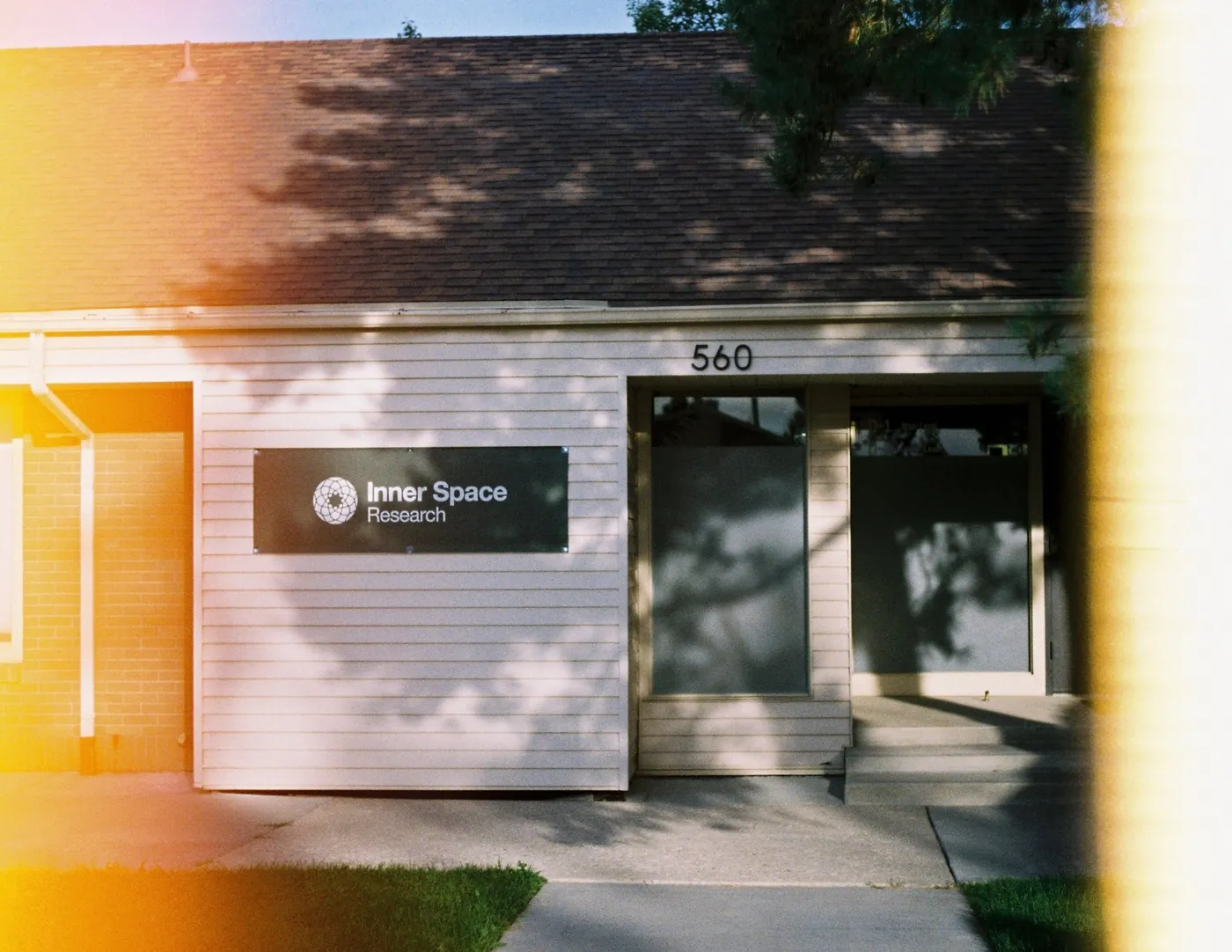
The Inner Space Research building in Orem, with the green sign on the siding

Send us a message and our team will follow up.

Leave out medical history for now. We'll go over that by phone.

In a crisis, call or text 988, or call 911.

404

This page isn't here

It may have moved when we rebuilt our site, or the link has a typo. These are good places to start.

Looking for a study? Call or text 801-871-5516.

Thanks. We got your message.

Our team will be in touch soon. Want to talk sooner? Call or text 801-871-5516.

Check in on your mental health

These are the same validated questionnaires clinicians and researchers use every day. Answer honestly, see your results explained in plain language, and share them with anyone you choose: a friend, a family member, your doctor, or our team.

Nothing you enter is stored or sent to us
Results explained, with clear next steps
Every questionnaire and result is a shareable link

In crisis? Call or text 988, anytime.

EPDS, 10 questions, about 2 min

Depression in pregnancy & after birth

The Edinburgh Postnatal Depression Scale, the standard screen during pregnancy and the year after birth, when ordinary depression questions about sleep and appetite can mislead. Ten questions about the past seven days.

About the EPDS & how scoring works

HAM-A, 14 questions, about 3 min

Anxiety, including physical symptoms

A self-rating worksheet covering the 14 symptom areas of the Hamilton Anxiety Rating Scale: worry and tension, but also the physical side the GAD-7 never asks about. Fourteen questions about the past week. Not a validated self-report scale.

About the HAM-A & how scoring works

MDQ, 15 questions, about 3 min

Bipolar disorder

The standard screen for lifetime manic or hypomanic symptoms, often used to check whether depression may be part of a bipolar pattern. Fifteen questions.

About the MDQ & how scoring works

ASRS, 6 questions, about 2 min

Adult ADHD

The World Health Organization’s six-question screen for adult ADHD: a quick read on whether attention and restlessness symptoms are currently affecting your life. Six questions about the past six months.

About the ASRS & how scoring works

Y-BOCS-SR, 10 questions, about 4 min

Obsessive-compulsive disorder

The standard clinical measure of obsessive-compulsive symptom severity, adapted for self-report. Ten questions, scored separately for obsessions and compulsions.

About the Y-BOCS-SR & how scoring works

DSM-XC, 23 questions, about 4 min

Overall check across 13 domains

The American Psychiatric Association’s 23-question wide-angle snapshot across 13 mental health domains, a map of what might deserve a closer look. Note: it does not cover trauma or PTSD; use the PCL-5 for that.

About the DSM-XC & how scoring works

Mood & unusual experiences, 12 questions, about 4 min

When mood and unusual experiences both show up

If you have been told “bipolar” by one person and “schizoaffective” by another, the difference comes down to timing: whether unusual experiences ever happened on their own. This walks through that timeline the way a clinician would. Not a scored test, and not a diagnosis.

About this walkthrough & how it reads your answers

How this relates to our studies

Inner Space Research runs clinical trials of investigational treatments for depression, anxiety, PTSD, and other mental health conditions.

A score here doesn't determine whether you qualify for a study. Only a full evaluation with our clinical team can do that. But it can give you (and us) a useful starting point. If your results suggest you might be a fit, we'd love to hear from you.

Private by design

Your answers never leave your device. When you finish a questionnaire, your results are encoded directly into a web link. That link is your result. Share it, bookmark it, or close the page and it's gone. We don't store, transmit, or see anything unless you choose to send your results to someone.

Sending someone here?

Clinicians, friends, and our own prescreening team are welcome to link people directly to any questionnaire. Each questionnaire has its own page you can link to.

In crisis or thinking about suicide?

Call or text 988 (Suicide & Crisis Lifeline, U.S.). Free, confidential, 24/7.

If you're in immediate danger, call 911 or go to your nearest emergency room.

These screeners are offered free to our community. They are educational tools: not a diagnosis, not medical advice, and not a determination of eligibility for any research study. No answers are stored or transmitted by this site; your results live only in your browser and in the link you choose to keep or share.

Sources. PHQ-9 and GAD-7: developed by Drs. Robert L. Spitzer, Janet B.W. Williams, Kurt Kroenke and colleagues, with an educational grant from Pfizer Inc.; no permission required to reproduce. PCL-5: Weathers, Litz, Keane, Palmieri, Marx, & Schnurr (2013), U.S. National Center for PTSD; public domain. EPDS: Cox, J.L., Holden, J.M., & Sagovsky, R. (1987). Detection of postnatal depression: Development of the 10-item Edinburgh Postnatal Depression Scale. British Journal of Psychiatry, 150, 782–786. MDQ: © 2000 by The University of Texas Medical Branch, reprinted with permission. ASRS v1.1 Screener: © World Health Organization; Kessler et al. (2005). Y-BOCS: adapted for self-report from Goodman et al. (1989), Archives of General Psychiatry, 46, 1006–1011. HAM-A worksheet: a plain-language self-rating adaptation of Hamilton (1959), British Journal of Medical Psychology, 32, 50–55; not a validated self-report scale. DSM-5 Level 1 Cross-Cutting Symptom Measure: © 2013 American Psychiatric Association; this material can be reproduced without permission by researchers and by clinicians for use with their patients. The mood and unusual experiences walkthrough was written by Inner Space Research and is not a scored instrument.

Stay in the Loop

Sign up for updates on new studies, podcast drops, events and more.

We respect your privacy.